
The Wanderlust Rx
While prescription medication can and sometimes should play a role in managing and recovering from mental health challenges such as depression and anxiety, it’s important to remember that for most people, medication should only be used as a temporary tool in conjunction with therapy and other natural remedies that have been proven equally, if not more effective. With that being said, if you are currently taking medication to help support you with mental challenges, there should be no shame or guilt! Take medication from an empowered stance, knowing you are doing the best you can to support yourself through your healing journey.
Here are other researched and proven techniques to support your mental health:
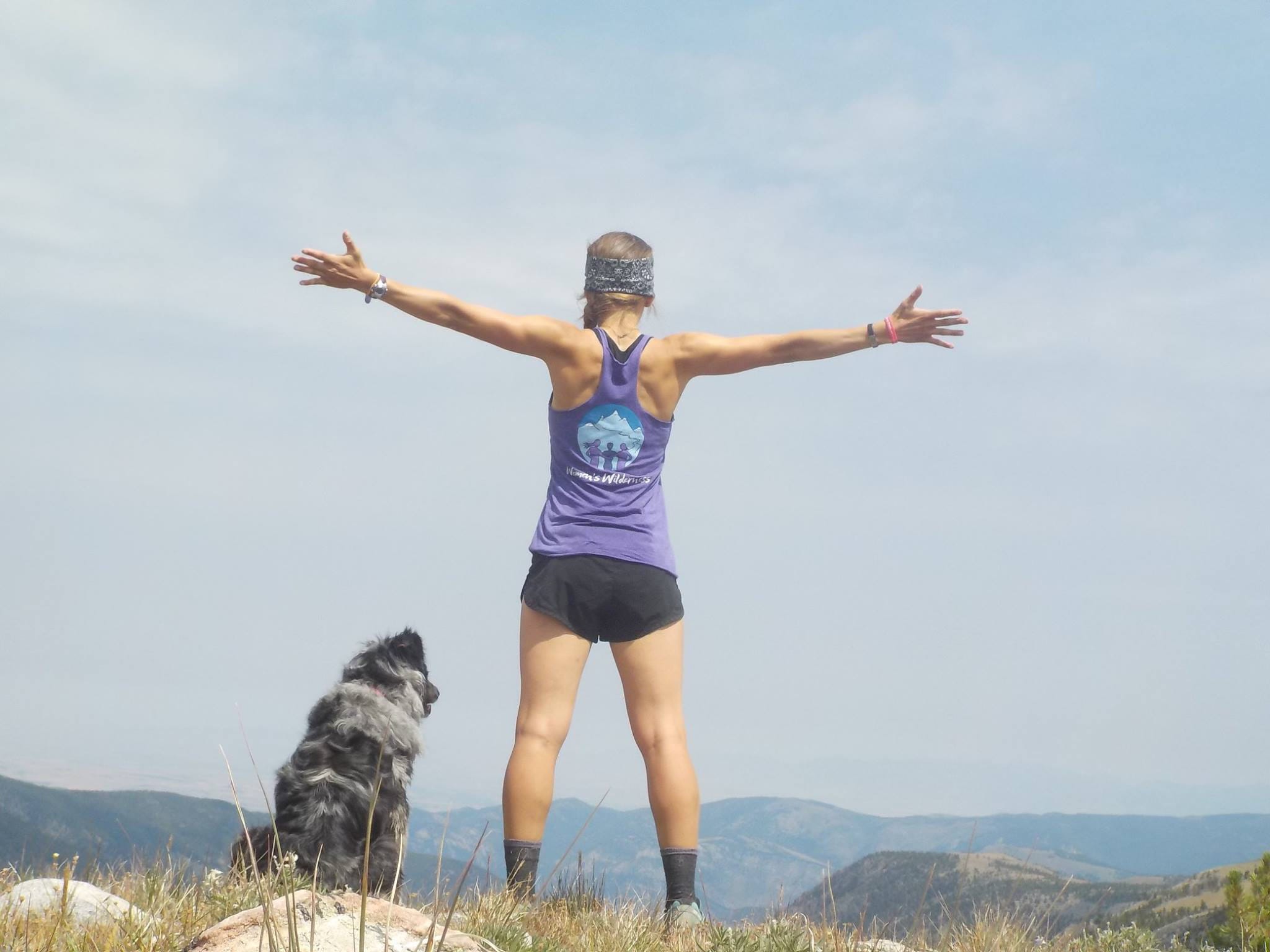
Nature– Spending time in nature can relieve stress, boost your mood, and help shift your perspective. Nature therapy, or “ecotherapy”, is already a common practice in countries like Japan, where doctors may actually prescribe shinrin-yoku (forest bathing) to patients!
Exercise– Benefits of exercises include: Enhanced mood, reduction of stress and anxiety, improved cognitive function, better sleep,increased energy, and improved self-esteem (just to name a few).
BREATHE– Diaphragmatic, or deep belly breathing (my favorite), box breathing (4 second inhale, 4 second hold,4 exhale, 4 hold), and other box breathing practices help reset your nervous system, switching you from fight or flight (sympathetic) to rest and digest (parasympathetic). Practicing a few minutes of deep breathing or BrEathing with your emotions everyday can be a GAME CHANGER.
Journaling– Free writing, or journaling, is all the rage right now, and for a good reason. Writing from our emotions can help us release suppressed emotions and unlock any subconscious beliefs and blocks that have kept us feeling stuck. (Bonus: After your emotion-based freewriting practice, take another few minutes to write from your Higher Self.)
Play & Creativity: Play and creative activity not only help us express emotions but can take us beyond the rational and logical (and also ruminative) part of our mind and into the part of our mind that allow us to access greater perspectives, new ideas, and access our wholeness. (Bonus: Activities like pickle ball and knitting include “bi-lateral stimulation” of the brain, a technique used in EMDR therapy.)
Sleep: Simply stated, your brain just can’t function properly without enough sleep.
Daily Gratitude Practice: A daily gratitude practice trains your mind (YES, YOU CAN TRAIN YOUR MIND!) to look for the good in life and cultivate emotions of appreciation, love, and abundance…and a release of all those feel good hormones. As you write or think of your list, make sure you pause and tap into the feeling-state.
Whole Foods: Whole, plant-based foods are anti-inflammatory, which is a good thing for both your body and your mind (which of course, are intimately connected). Dark leafy greens, nuts, berries, whole grains, and avocados are especially great. Oh, and we’ll include dark chocolate (72% or more) too!
Connection (time with family, friends, and animals): Connections offer us a sense of belonging, purpose, and support. When we feel supported, we feel safe, and we can relax. Animals count too! We know dog studies have shown a reduction of cortisol and a release of oxytocin.
Meditation: Meditation helps us to detach from our thoughts, helping us realize that our thoughts are just…thoughts. We don’t have to believe them. We can just witness them. (Reminder: There’s no being “good” or “bad” at meditation! It’s a practice. If you notice yourself thinking 10x in 1 minute, the key is you noticed, and that is awesome!)
Spirituality: Having a spiritual practice, which might simply mean believing in something bigger than yourself, has now been shown to be a buffer against depression and foster feelings of connection and purpose. Spirituality can play an important function in how we make meaning out of challenging situations and support us in times of grief. If you’re interested in learning more, I highly suggest reading The Awakened Brain: The New Science of Spirituality and Our Quest for an Inspired Life by Dr. Lisa Miller.
Service: Similar to much of the above, service can decrease feelings of depression and anxiety while increasing feelings of gratitude and a sense of purpose. But the summary is, service gets you out of your head and “little self” and into your heart-based, expansive self. Volunteering is absolutely wonderful, but even something simple, like taking a minute to chat with someone at work who you noticed looks a little down today. You can always choose to BE A LIGHT.
When you’re “in it”, I recommend latching on to a few key phrases that can hold you steady until the waves pass through. A few I find helpful are: “This too shall pass”, “I’m stuck in a thought cycle”, “I’m okay, I’m safe”, and “I am loved”. No panic attack or dark night of the ego lasts forever, I promise. Things can and will get better.
(There’s always support available. Colorado mental health support line: 988.)
Dosage: Most changes are successful when they are built by small increments. In general, I don’t suggest attempting to make huge lifestyle changes in a week (New Year’s resolutions often fail for a reason). What I suggest instead is making small, daily changes that you can add or incorporate into your normal life. For example, you may simply add a banana to your breakfast or a few blueberries as a side to your lunch. If you don’t exercise at all, a 20 minute (or even a 5 minute) walk outside/in nature is a great addition. Take some deep, conscious breaths during your shower or take two minutes before turning your car radio on after work to simply check in with yourself and breathe.
-The Wanderlust Therapist www.wanderlustcounseling.com
As always, only if it feels empowering: buymeacoffee.com/raynypaver

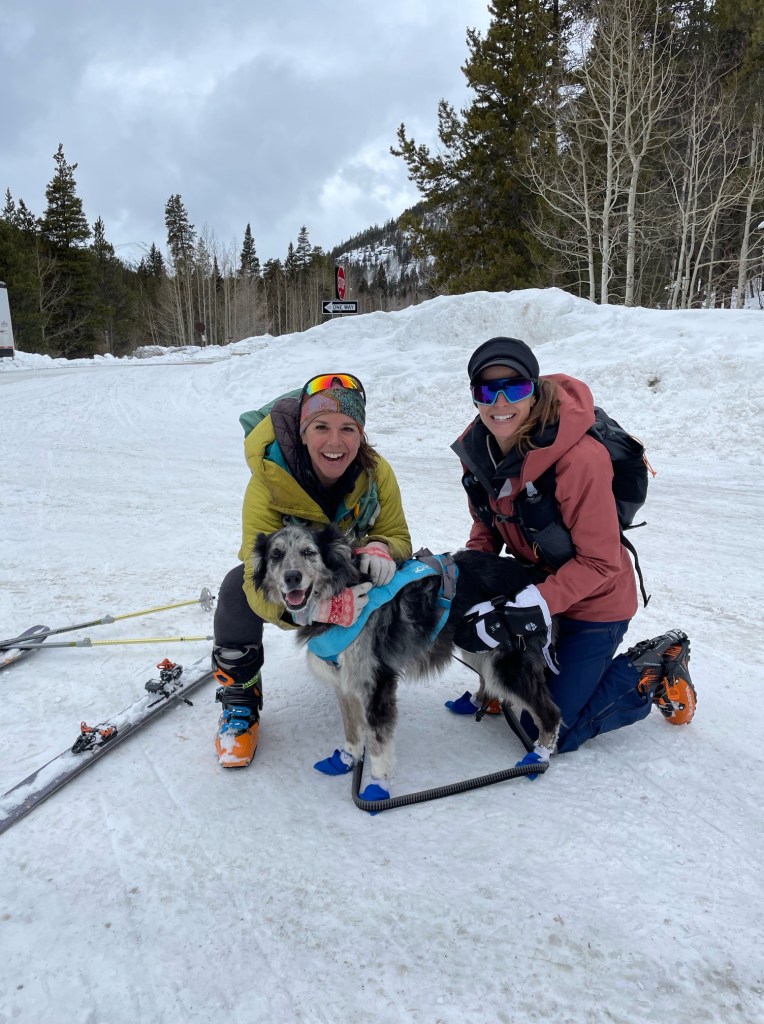
 A Dog and Her Girl